
Destruction or treatment of genital warts
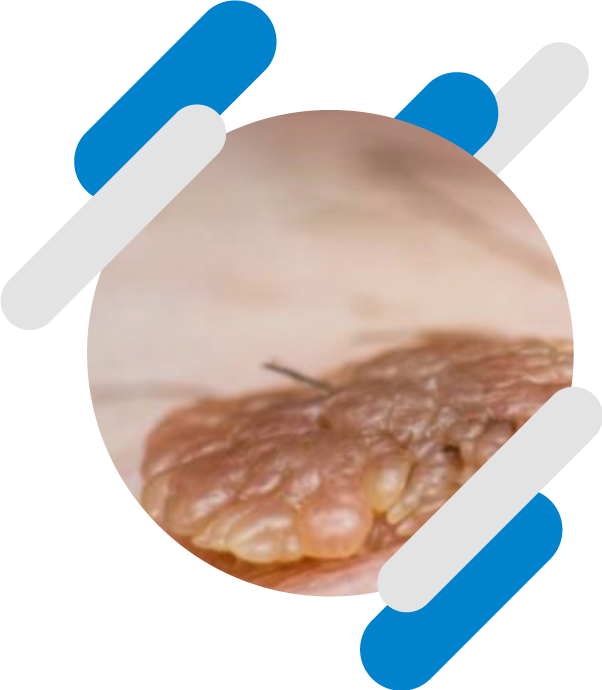
For women, it is important to have regular pelvic exams and Pap smears, which can help detect vaginal and cervical changes caused by genital warts or early signs of cervical cancer.
During a Pap smear, the doctor uses a device called a speculum to hold open the vagina and view the passage between the vagina and the uterus (cervix). He or she will then use a long-handled tool to obtain a small sample of cells from the cervix. The cells are examined under a microscope for abnormalities.
You may need surgery to remove larger warts, warts that do not respond to medications or, if you are pregnant, warts that your baby may be exposed to during delivery. Options for surgery include the following:
Freezing with liquid nitrogen (cryotherapy).
- Freezing works by causing a blister to form around the wart. As your skin heals, the lesions slough off and allow new skin to appear. You may need to repeat the treatment. The main side effects include pain and swelling.
- Electrocautery. This procedure uses an electric current to burn off the warts. You may have some pain and swelling after the procedure.
- Surgical excision. Your doctor may use special tools to remove the warts by cutting them off. You will need local or general anesthesia for this treatment, and you may feel pain afterward.
- Laser treatments. This approach, which uses an intense beam of light, can be expensive and is usually reserved for extensive, hard-to-treat warts. Side effects can include scarring and pain.